
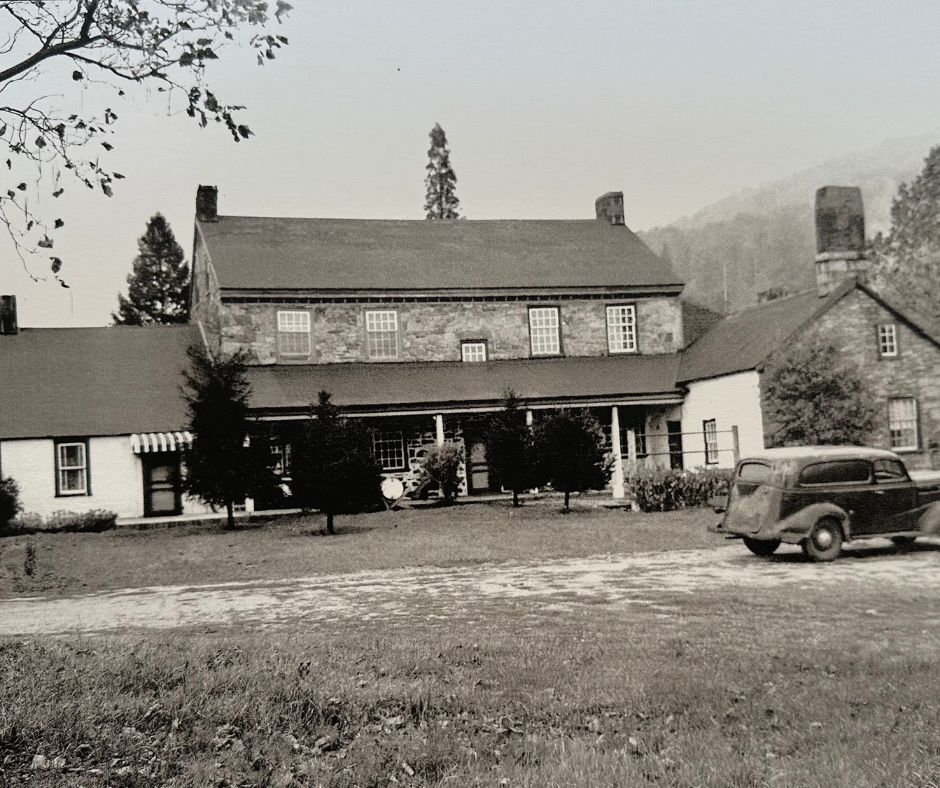
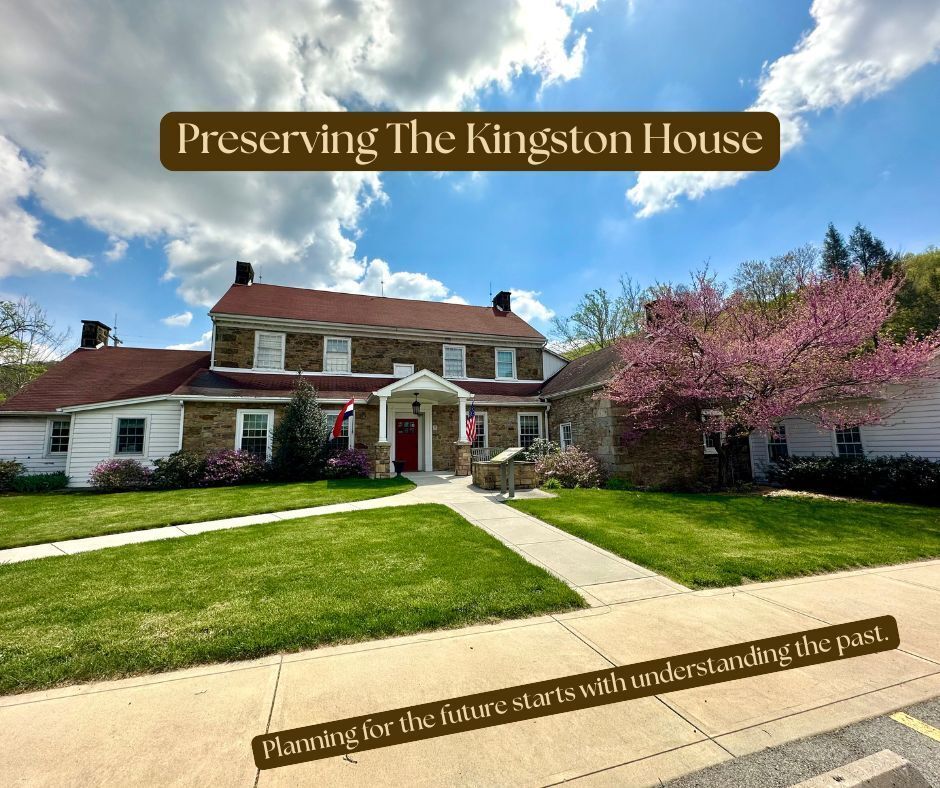
The Lincoln Highway Heritage Corridor has completed a Condition Assessment Report for the historic Alexander Johnston “Kingston House,” which today serves as the home of the Lincoln Highway Experience and LHHC administrative offices. The assessment was prepared by Practical Preservation in coordination with Barton & LoGiudice and architect Kellie Cole.
The report documents the building’s history, existing conditions, significant historic features, preservation concerns, and recommended treatments. Rather than serving as a final endpoint, it is intended to be a “living” planning document that can be refined as additional research and physical investigation reveal more about the property.
Highlights of the Completed Assessment
- Documents more than 200 years of history. The assessment traces the Kingston House from its original construction around 1812–1815 through its expansion as a tavern, agricultural and domestic use, later commercial adaptation, and rehabilitation for museum use.
- Identifies the building’s historic significance. The primary period of significance is approximately 1815–1872, corresponding with Alexander Johnston’s ownership. The property was listed in the National Register of Historic Places in 1983.
- Creates a detailed record of existing conditions. Fieldwork included measurements, photography, aerial documentation, archival research, and examination of building materials and features.
- Finds the Kingston House to be generally well maintained. While the building has relatively minor issues overall, the report identifies ongoing moisture infiltration as its most significant preservation concern.
- Recommends rehabilitation as the preferred treatment. This approach preserves the building’s historic form, materials, and structural integrity while allowing sensitive repairs, replacement of extensively deteriorated features, and necessary upgrades to building systems.
- Establishes preservation priorities. Recommendations are divided into Priority 1 immediate needs, Priority 2 maintenance and repair needs, and Priority 3 long-term preservation and planning goals.
- Places moisture management among the highest priorities. Conditions contributing to water infiltration and deterioration should be addressed promptly to protect historic building materials and vulnerable systems.
- Provides guidance for historic windows, masonry, and other character-defining features. For example, the report recommends rehabilitating deteriorated wood windows and addressing inappropriate hard cement mortar with historically compatible lime-based mortar.
- Supports future rehabilitation and capital planning. The report provides LHHC with a documented basis for prioritizing projects and approaching future work in accordance with established preservation standards.
- Identifies opportunities for continued research. Additional archival, archaeological, and architectural investigation could further illuminate the Kingston House’s tavern operations, agricultural history, transportation connections, and relationship to the later Lincoln Highway.
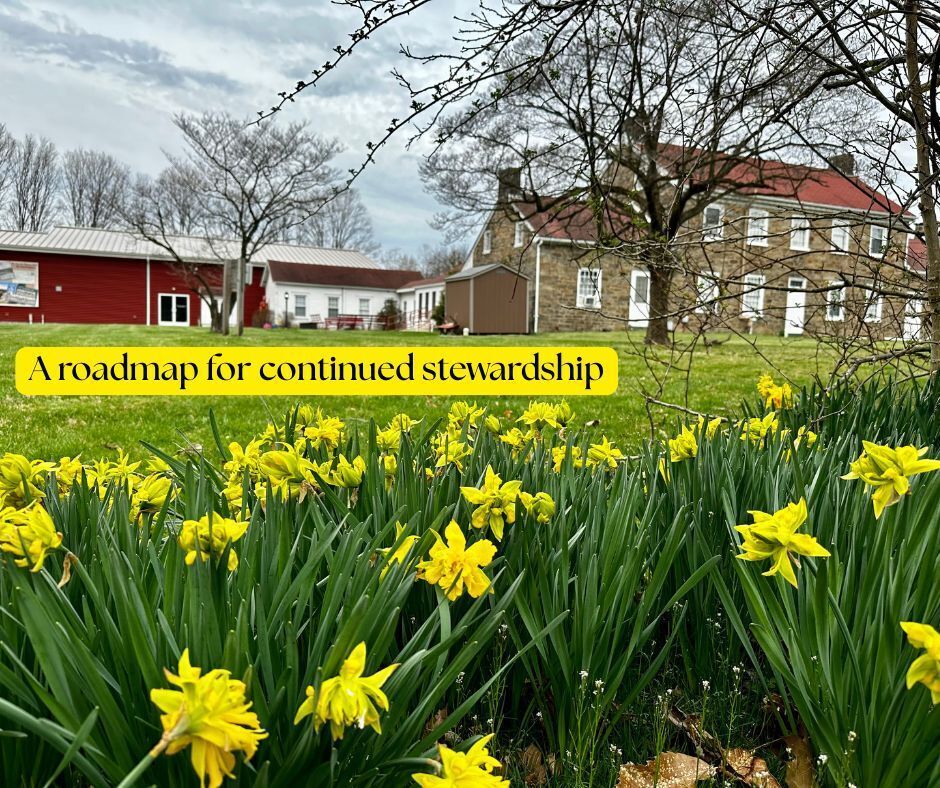
- Looks toward continued stewardship. The report emphasizes retaining historic materials wherever possible, making new interventions sensitive and reversible, and involving qualified preservation professionals in major future repairs or alterations.
Download the Full Assessment Here
Funding Acknowledgement
This project is supported by a grant from the Pennsylvania Historical & Museum Commission's Keystone Historic Preservation Grant Program, a program funded by the Commonwealth of Pennsylvania.


